


Emergency Procedures
Texas A&M provides procedures for various types of emergencies and for personal preparedness. These procedures are designed to guide the campus community on how to react safely and effectively.
Emergency Procedures
Knowing how to respond in an emergency ensures you can act quickly to protect yourself and others. The Emergency Handbook and the Quick Reference Guide provide detailed procedures and resources to help you be prepared for and respond to emergencies on the Texas A&M campus.
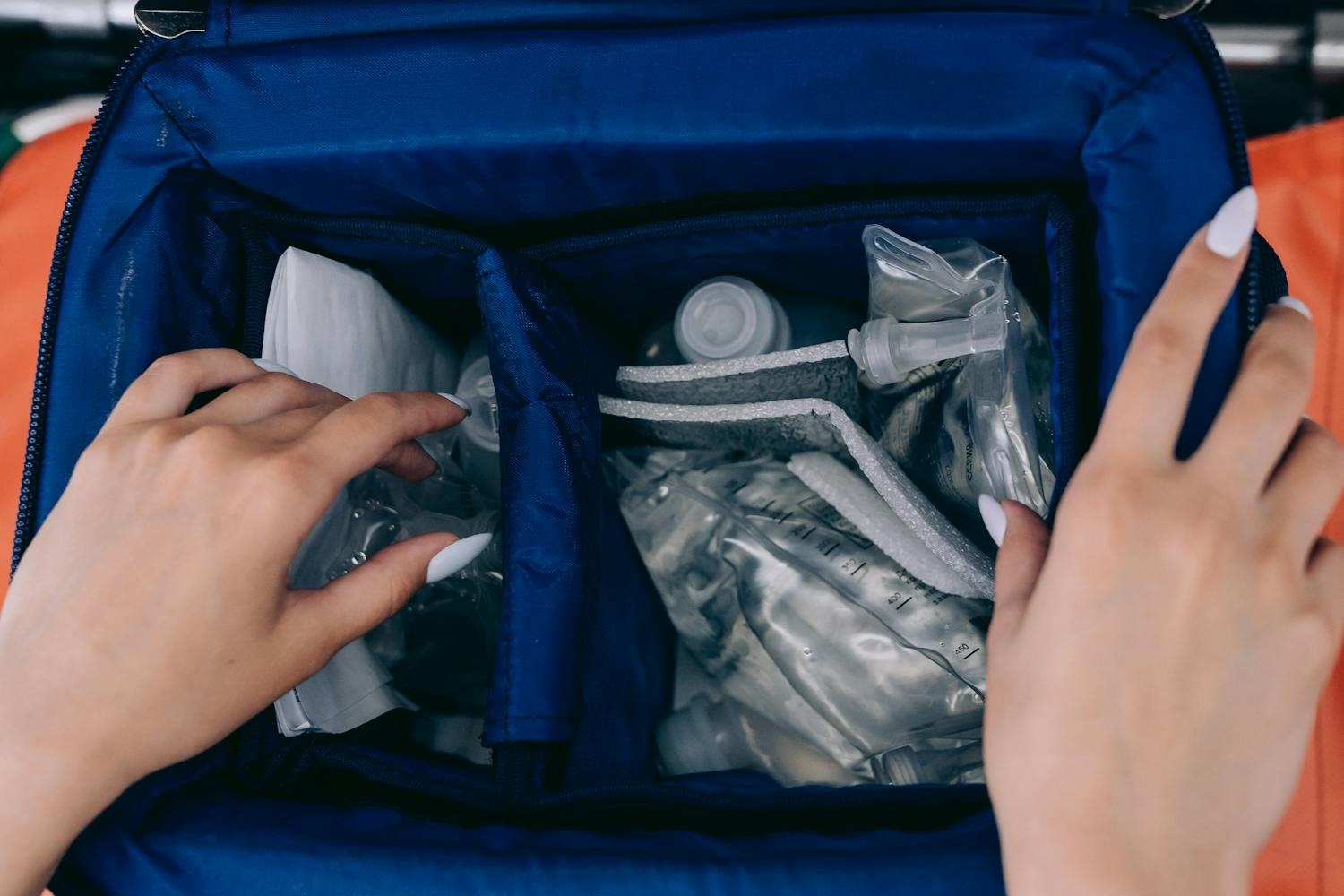
Building and maintaining an emergency kit is one of the most effective preparedness strategies. Learn how to assemble an emergency kit here.
Personal safety on campus often means knowing how to respond when something happens. Whether it’s noticing concerning behavior or facing an emergency, understanding the right actions to take can help keep you and others safe.
If mishandled, fire and hazardous materials can pose serious health, safety, and environmental risks. It is critical to recognize the threats from fire and hazardous materials and be prepared to respond appropriately.
Knowing what to do and how to protect yourself in an emergency is important. You may need to act before emergency officials are on scene.
Severe weather includes thunderstorms, tornadoes, extreme temperatures, and more.

Emergency Communications
Emergency communications are vital for informing and alerting students, faculty, and staff about emergencies and critical situations on our campuses. Learn more about the different communication methods used during emergencies.

Emergency Plans
Texas A&M has developed a range of plans to address emergencies and guide response efforts on campus. Explore the emergency plans to understand the procedures and protocols that help ensure the safety and security of students, faculty, and staff.

Education and Outreach
Check out our upcoming events, presentation opportunities, and learn more about SAFER, our student ambassador program.